
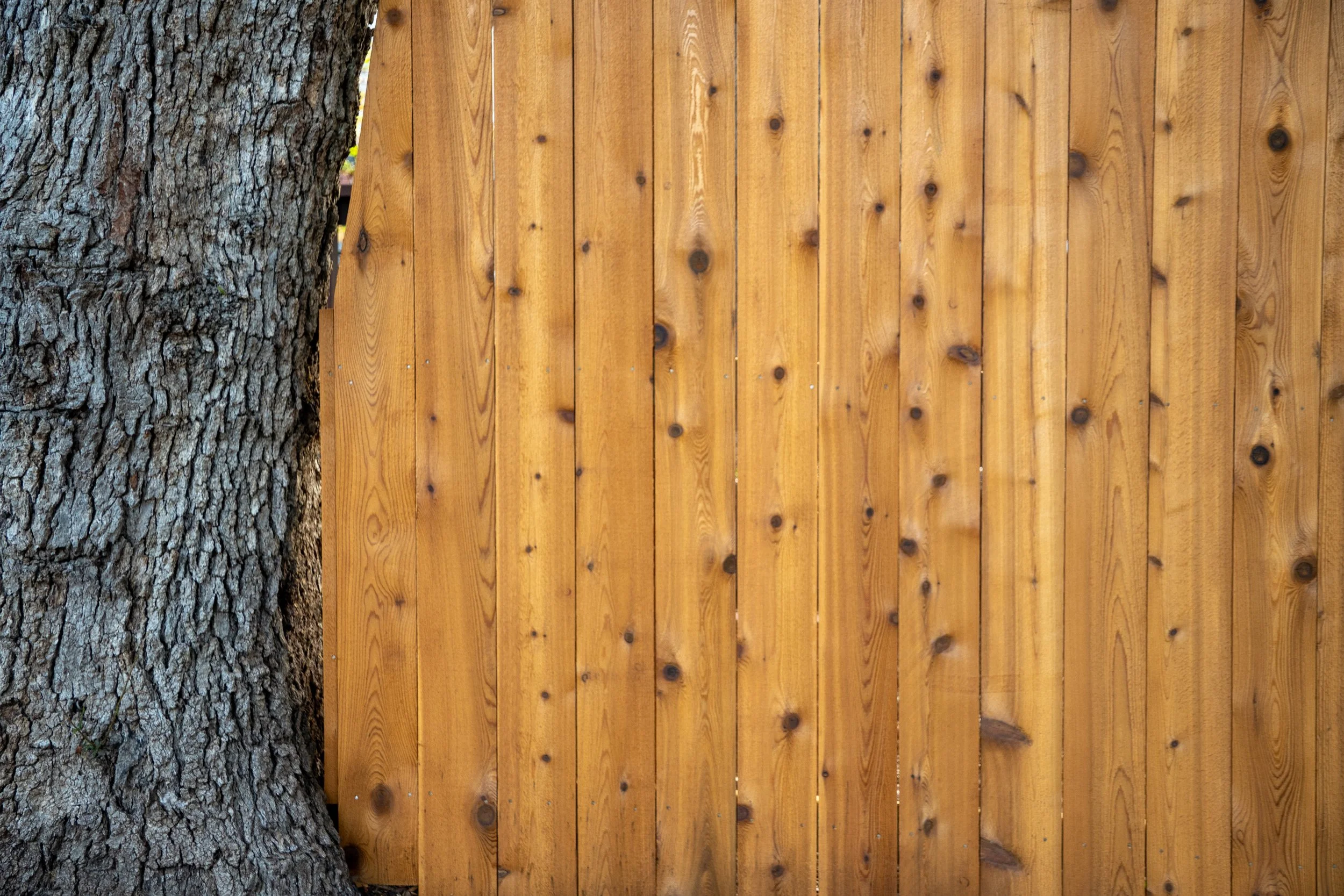
FENCE STAIN IN AUSTIN, TX
Choosing a fence stain in Central Texas can be trickier than it seems — the same color can look completely different depending on the wood. But we’re here to make it easier. We’ve pulled together some of our own renderings and photos of the most popular fence stains so you can see how each one looks on real fences. Browse through to find the perfect look for your space.
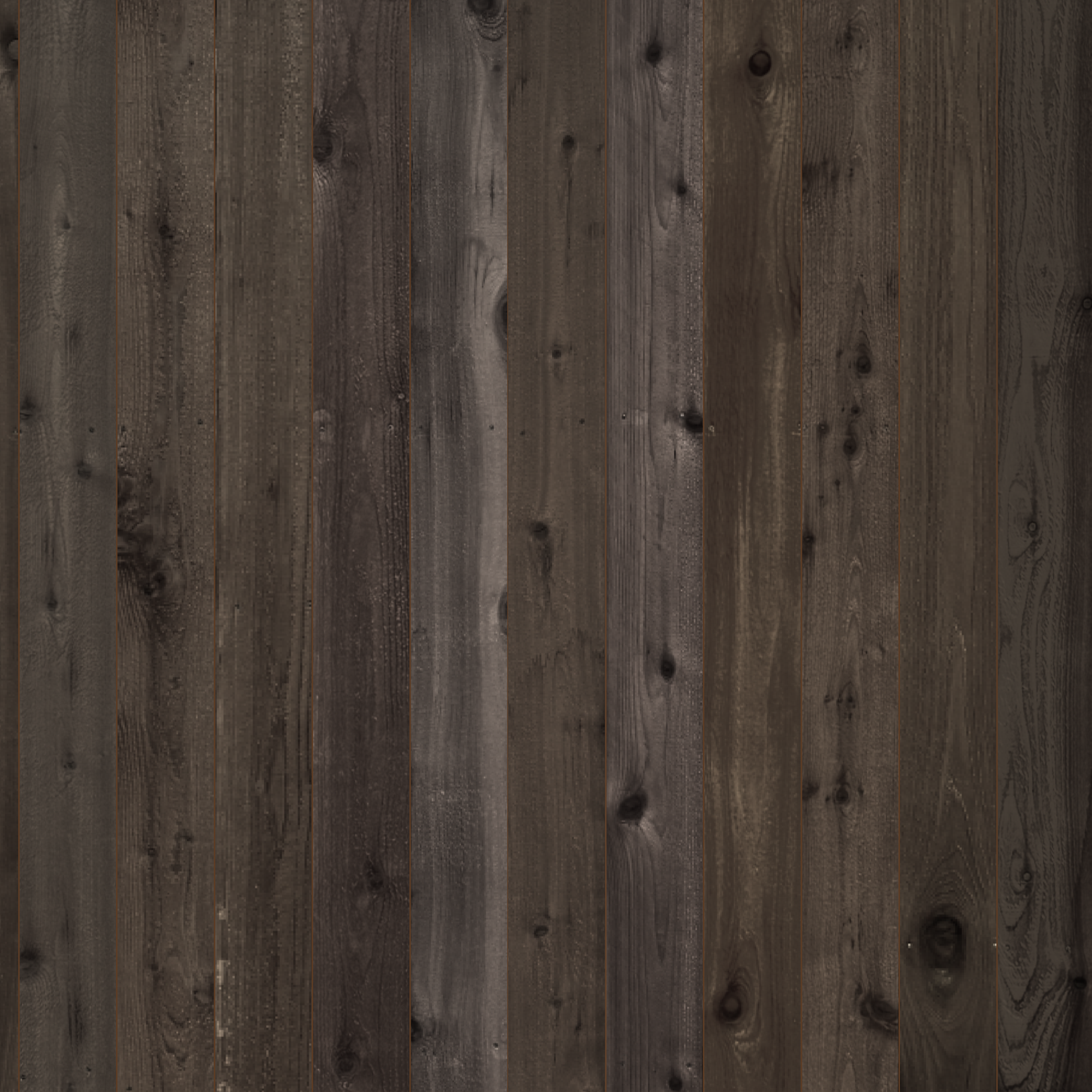
Keep in mind, these are just renderings intended to give an idea of how much stain can change the look of your fence. Wood is natural and varies greatly in color and grain. This means stain will look different depending on the type and shade of wood it’s applied too.
CHOOSE A COLOR
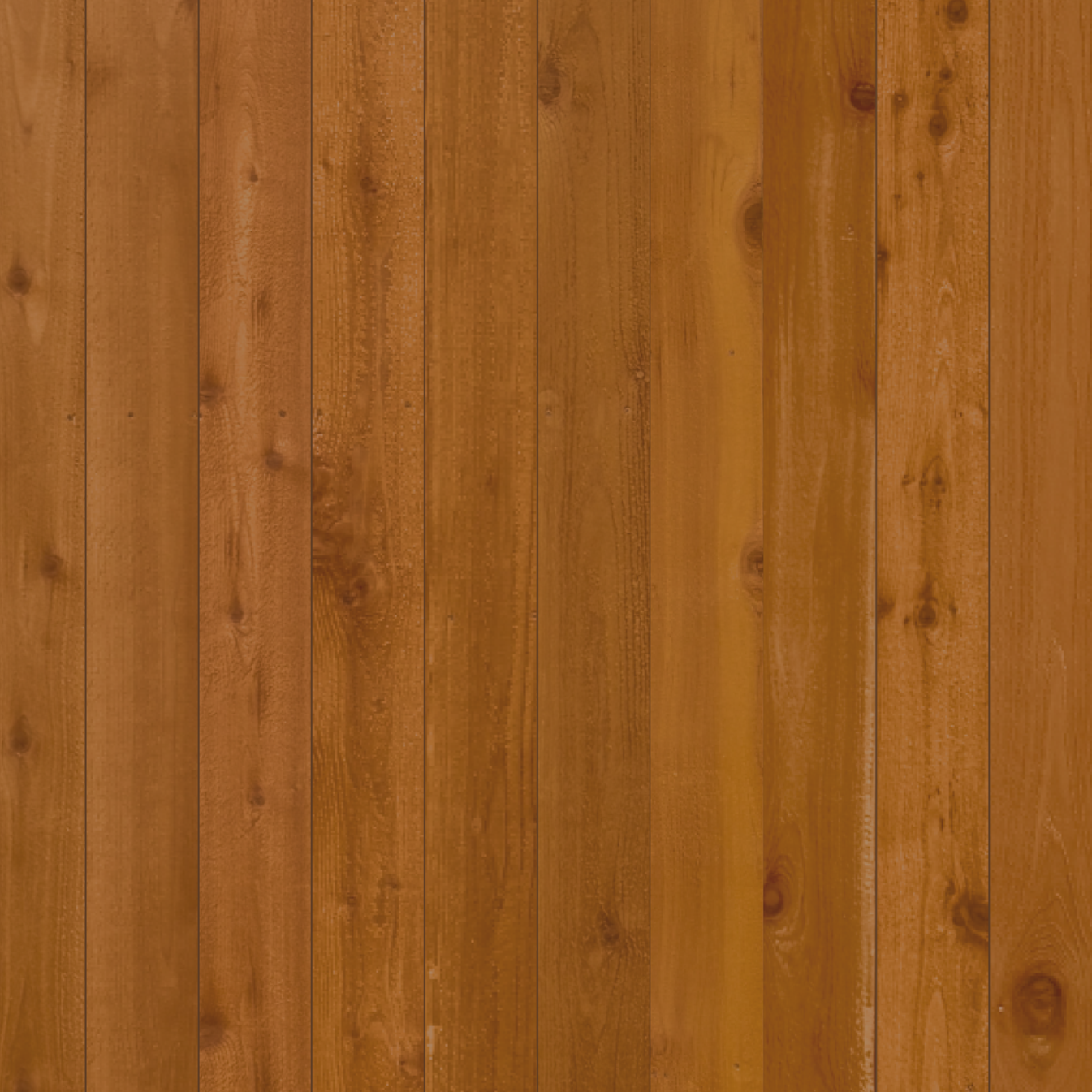
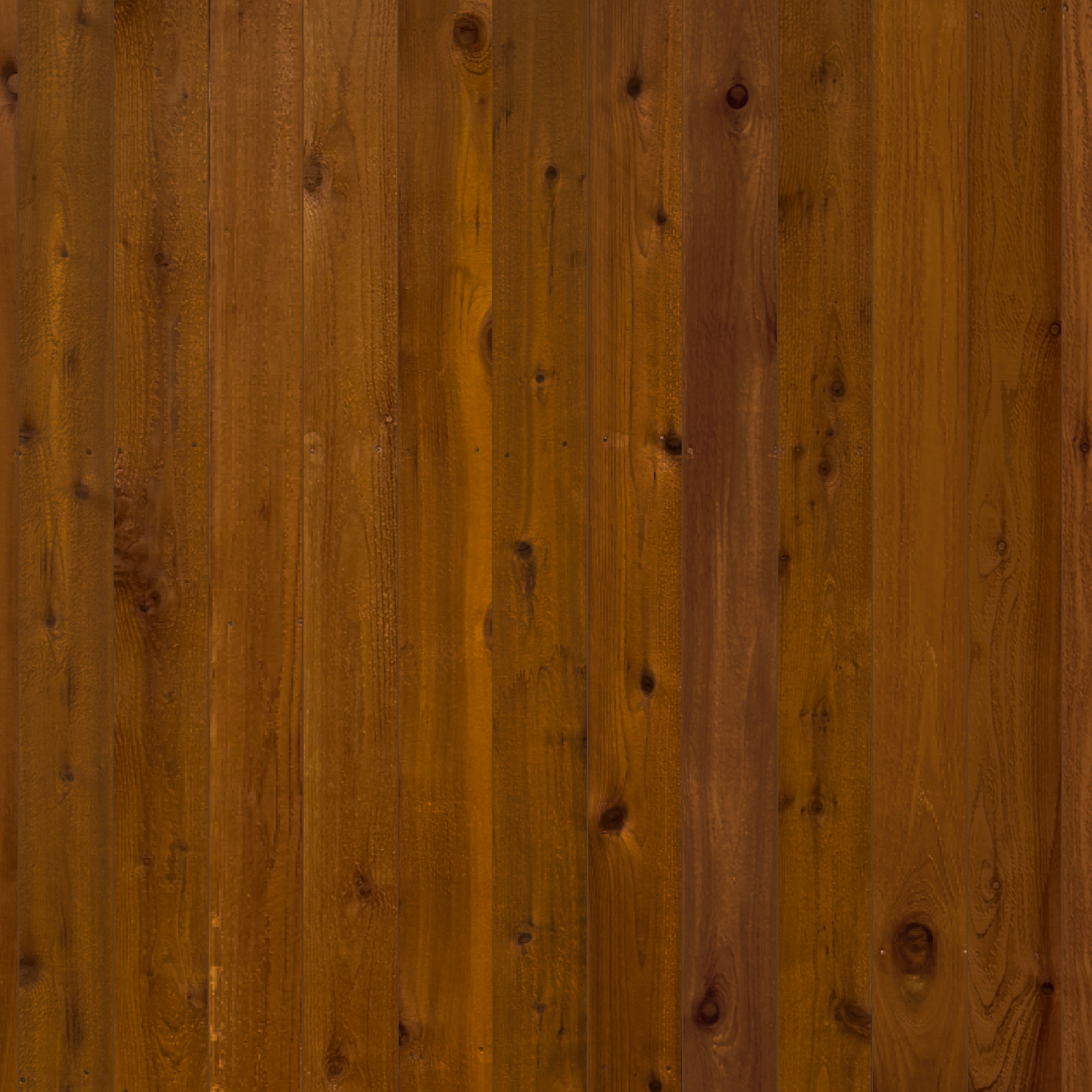
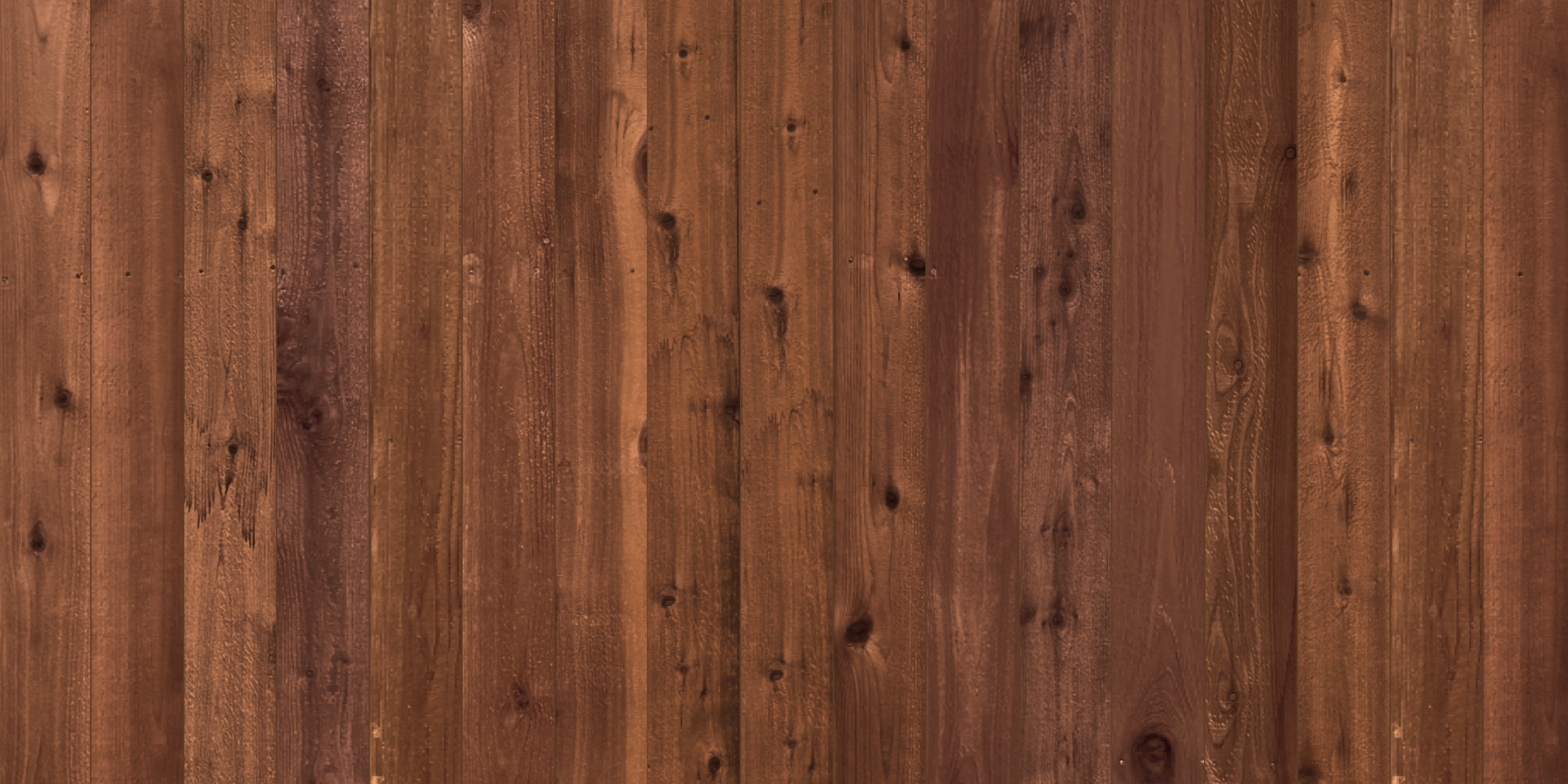
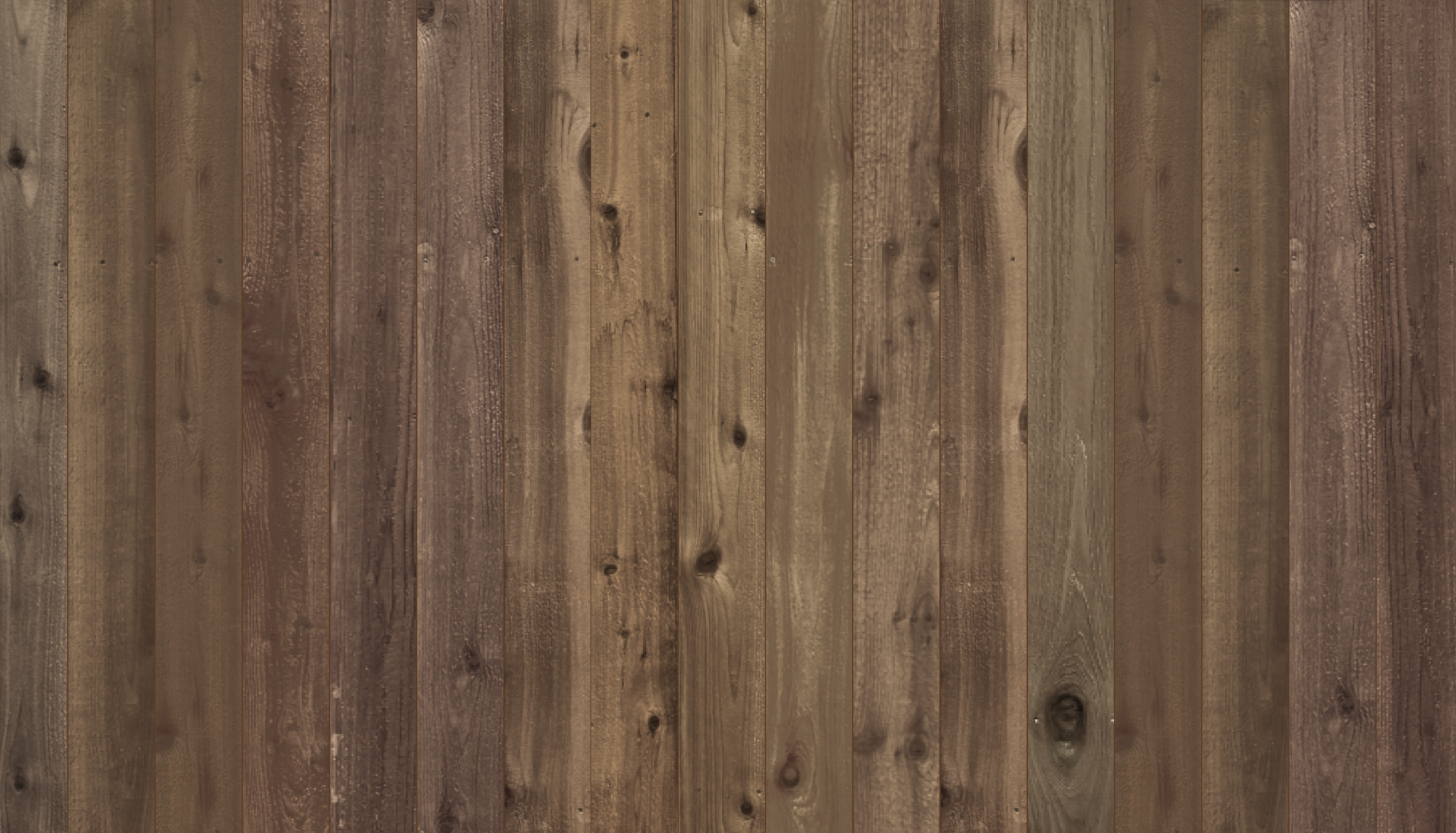
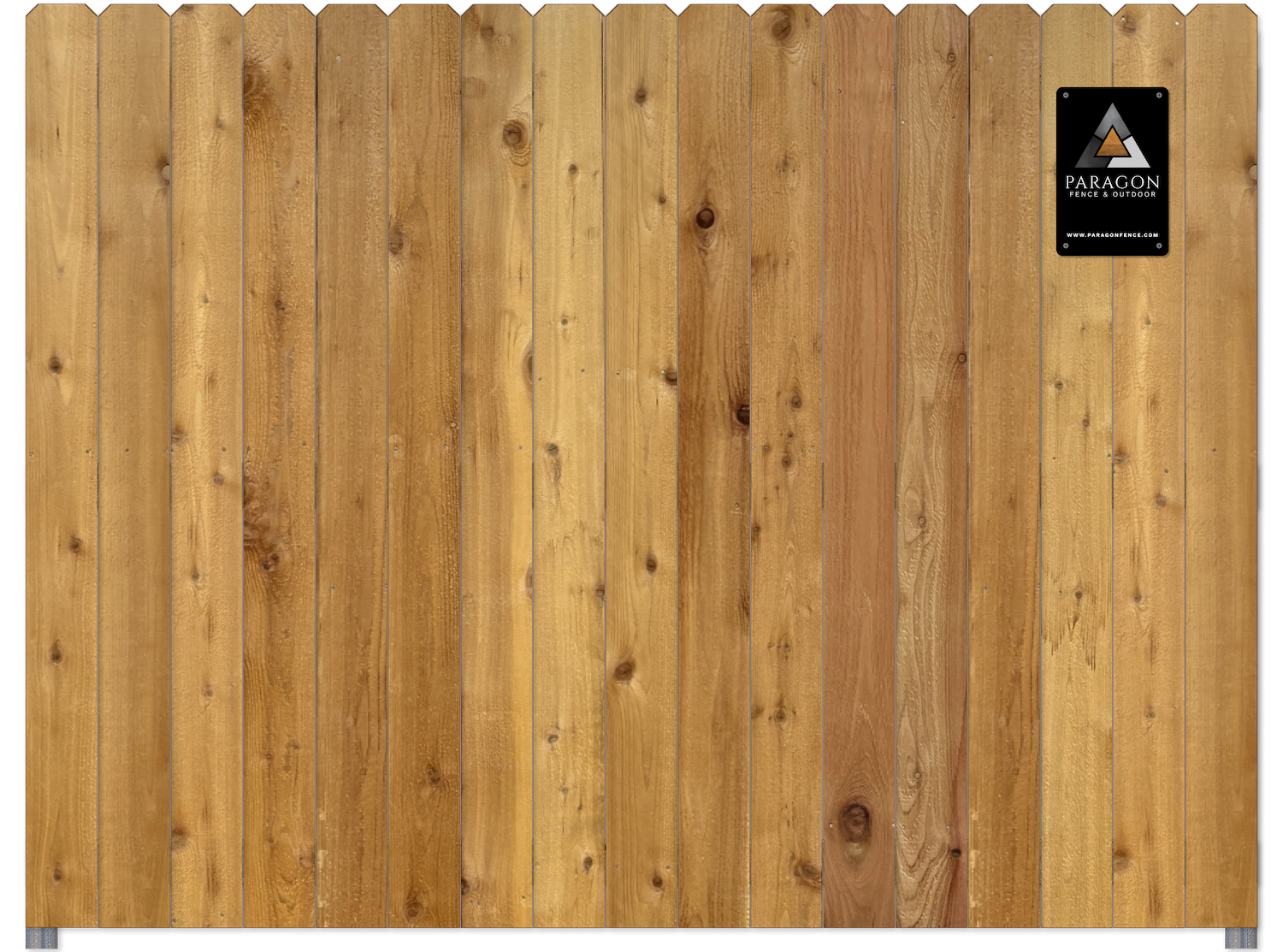
unstained cedar
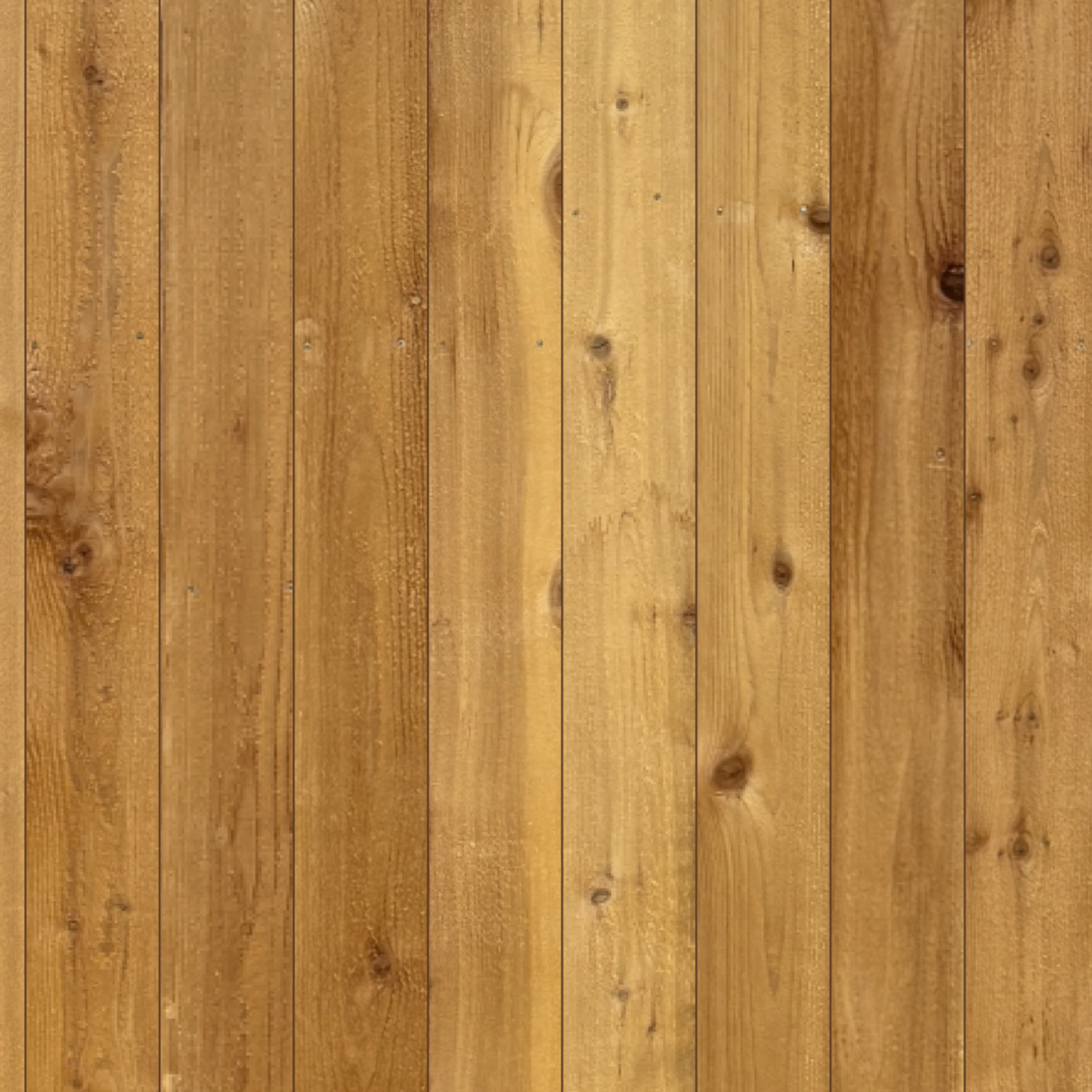
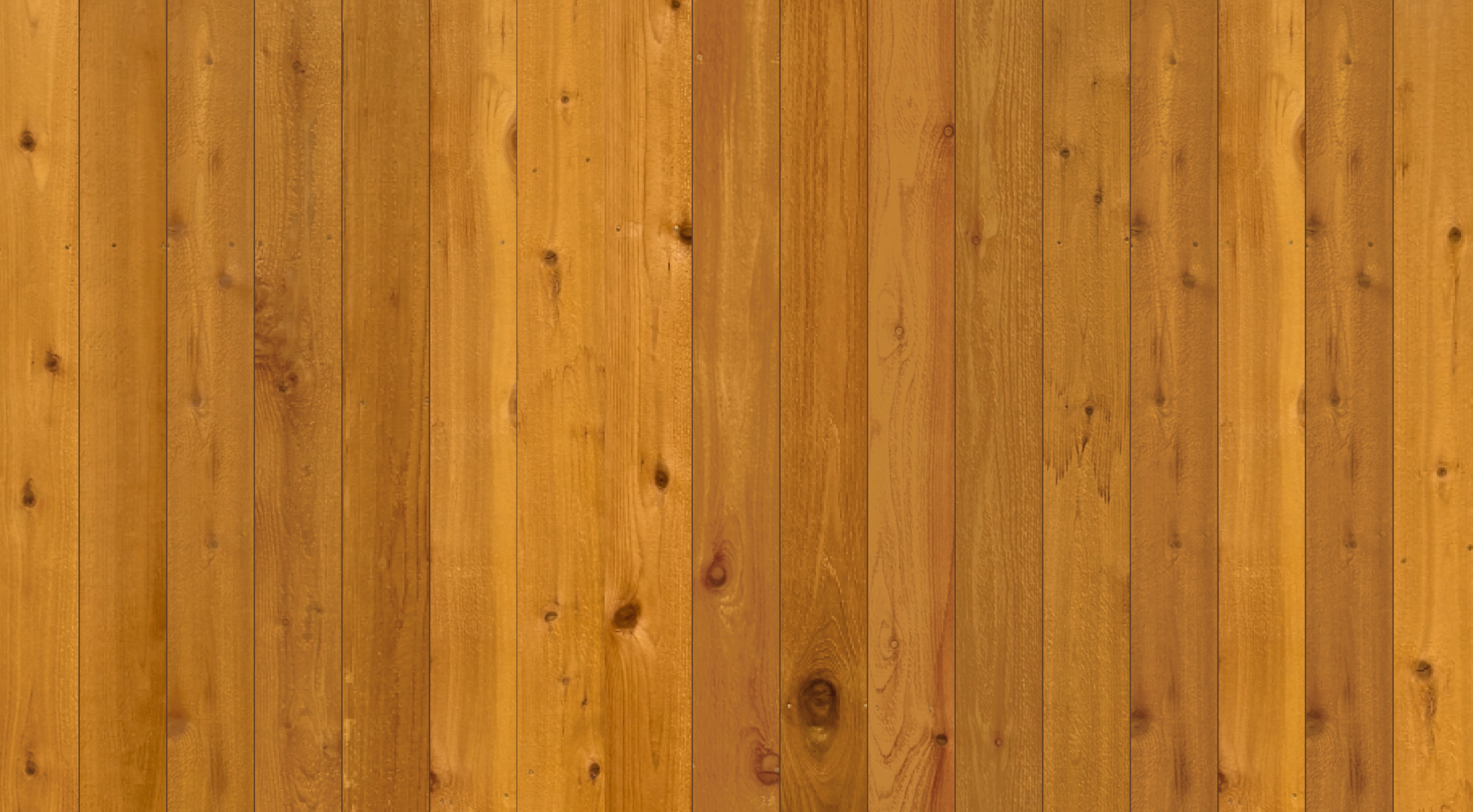
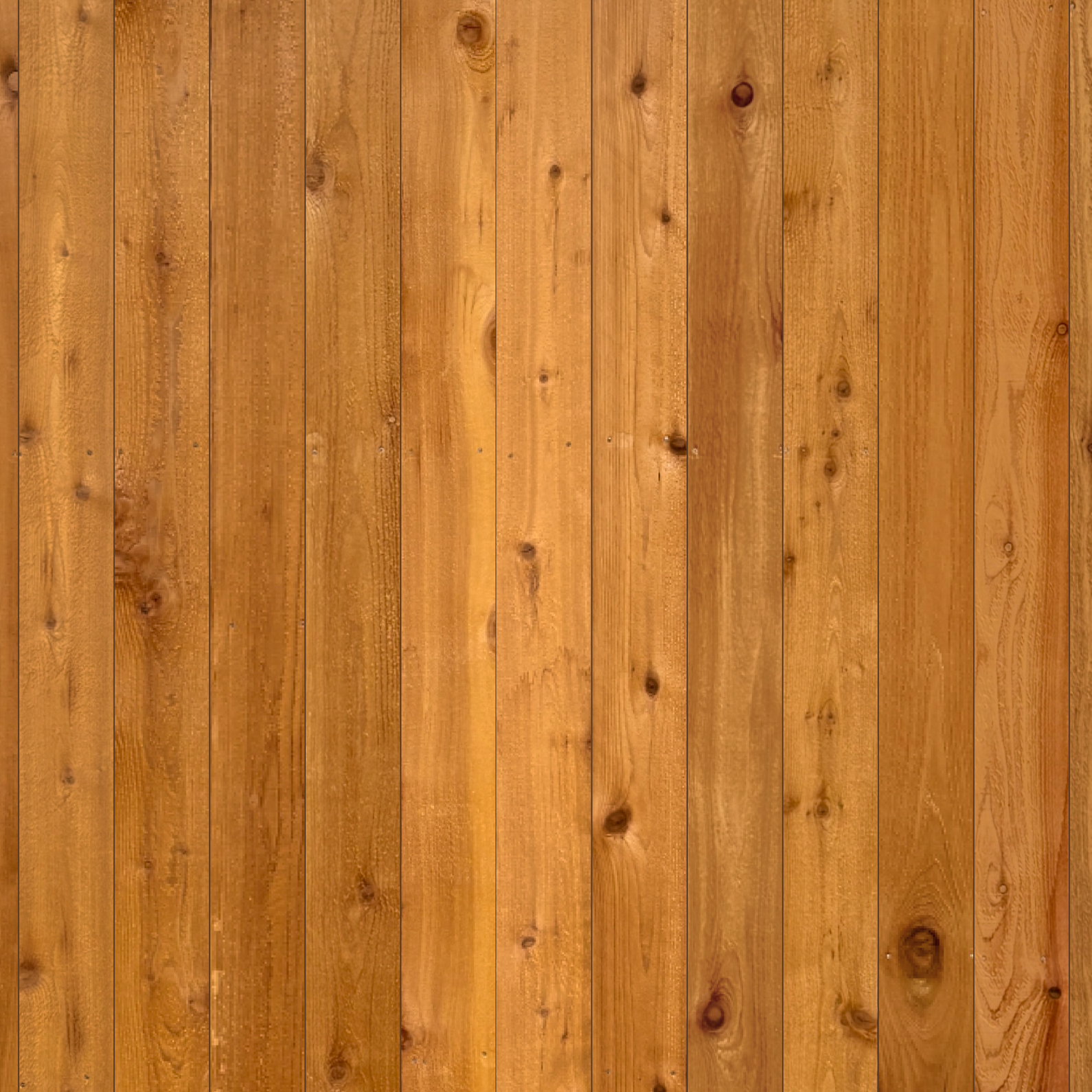
These renderings show a basic unstained vertical standard privacy fence built with western red cedar and treated pine rails. When cedar is new, it has beautiful variable shades of gold and orange. Overtime, cedar fades to a gray color. If you like that natural color of cedar, we can help you figure out a stain option that will get you as close to that as possible.
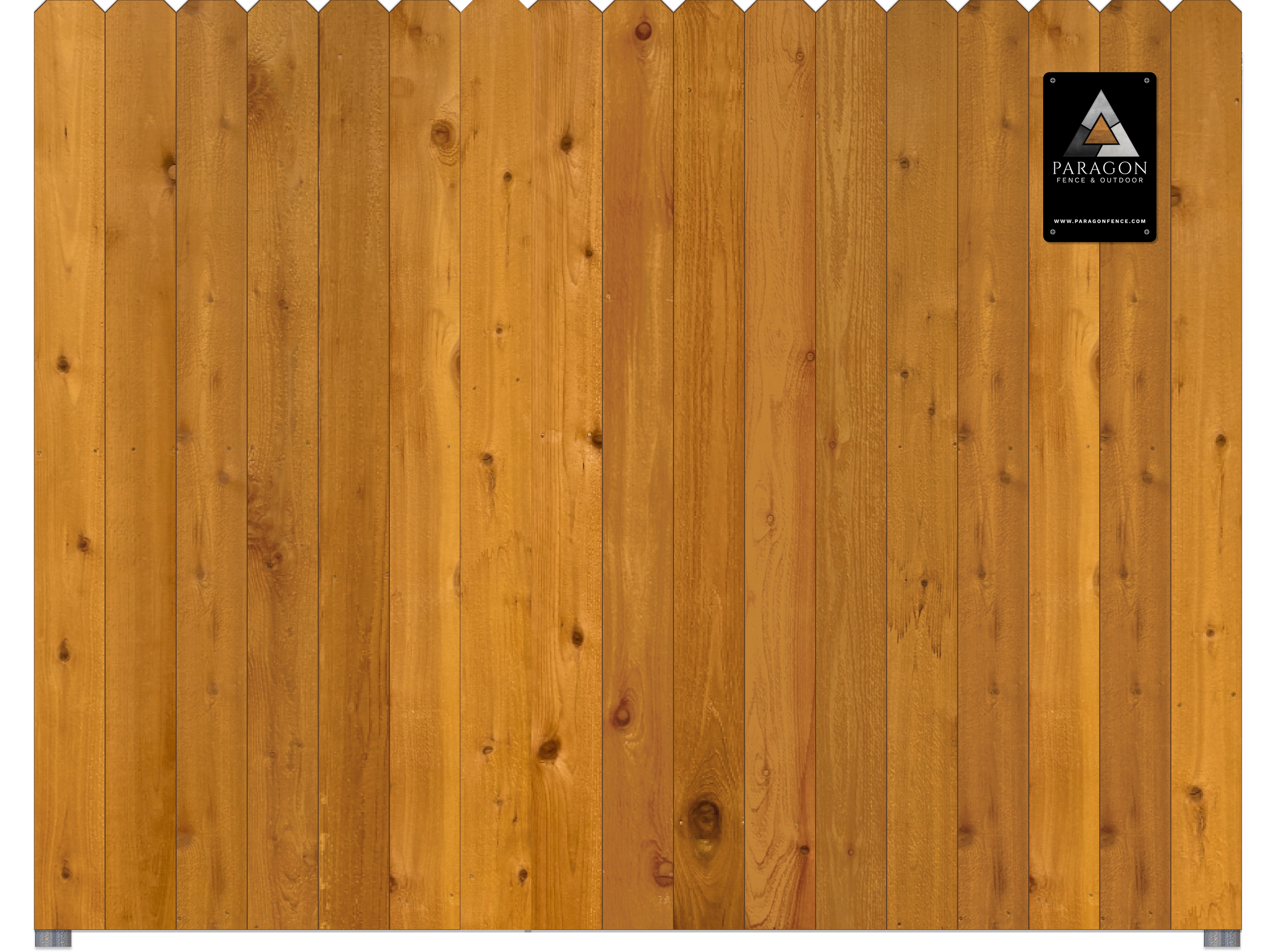
golden rod stain
Wood Defender offers an oil-based semi-transparent golden rod stain that similar to the natural tones of a freshly installed fence. Our renderings show a basic vertical standard privacy fence stained in Golden Rod stain.
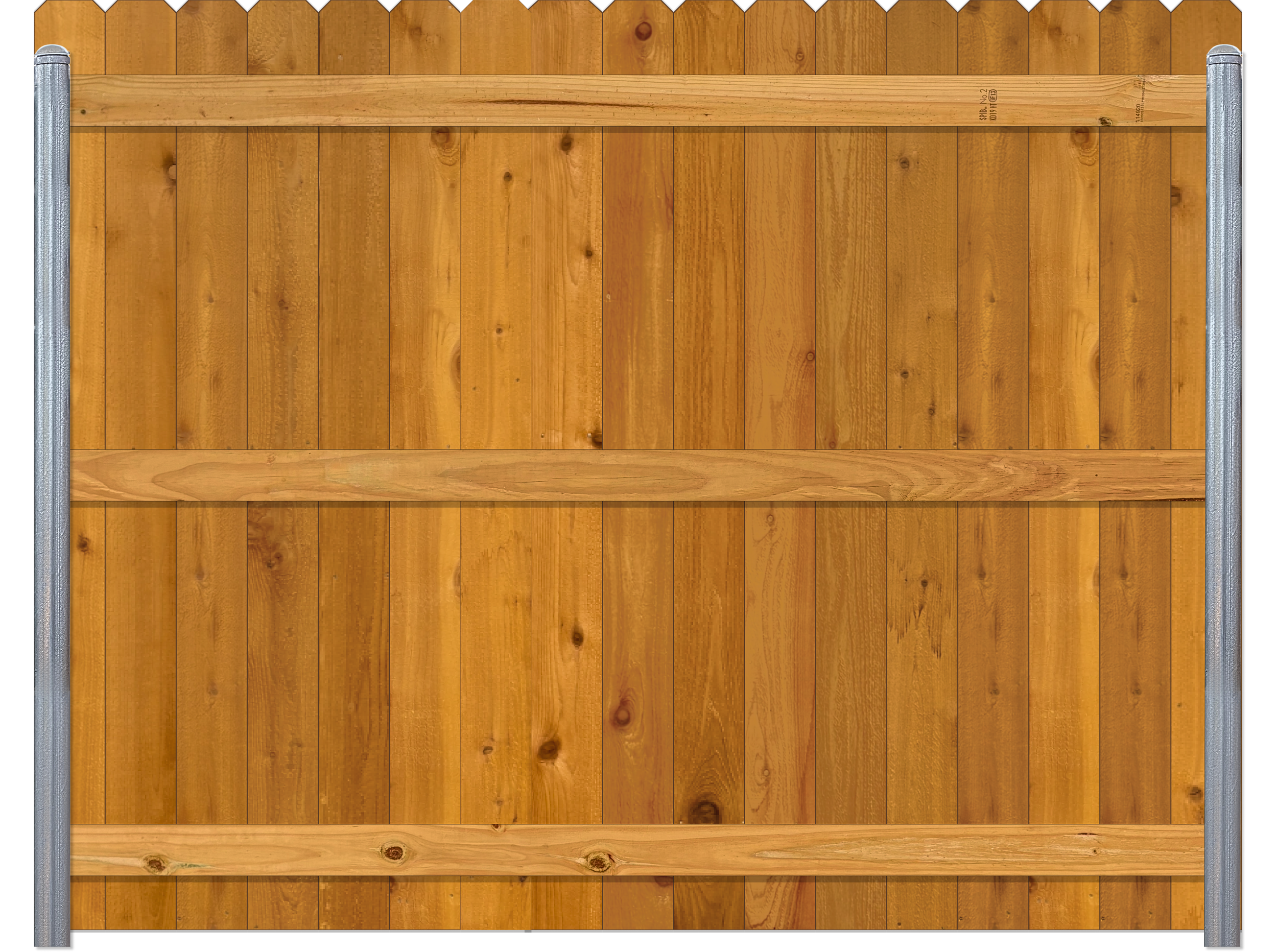
leatherwood stain
Wood Defender offers an oil-based semi-transparent stain that mimics the natural tones of cedar. Our renderings show a basic vertical standard privacy fence stained in Leatherwood stain.
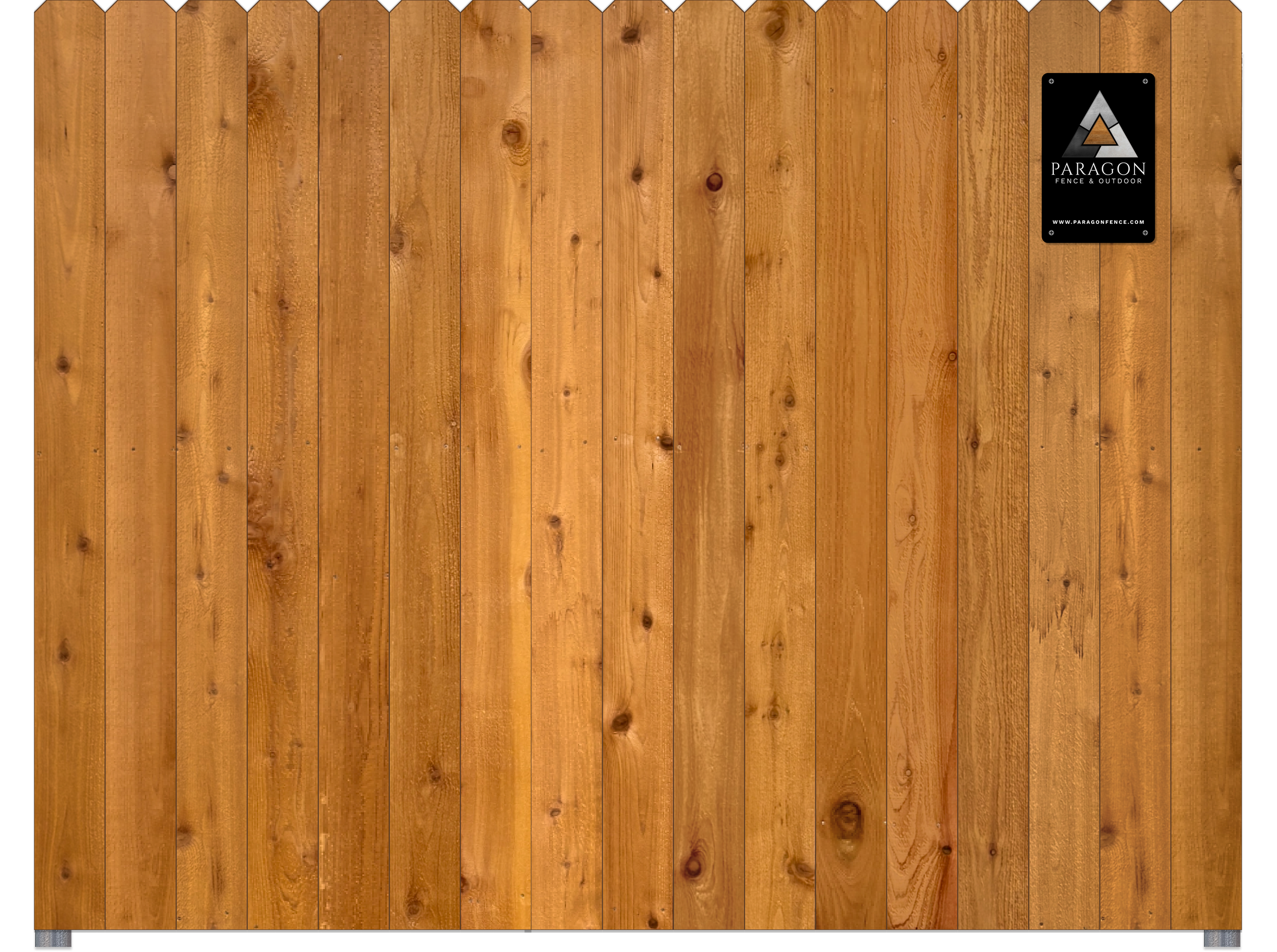
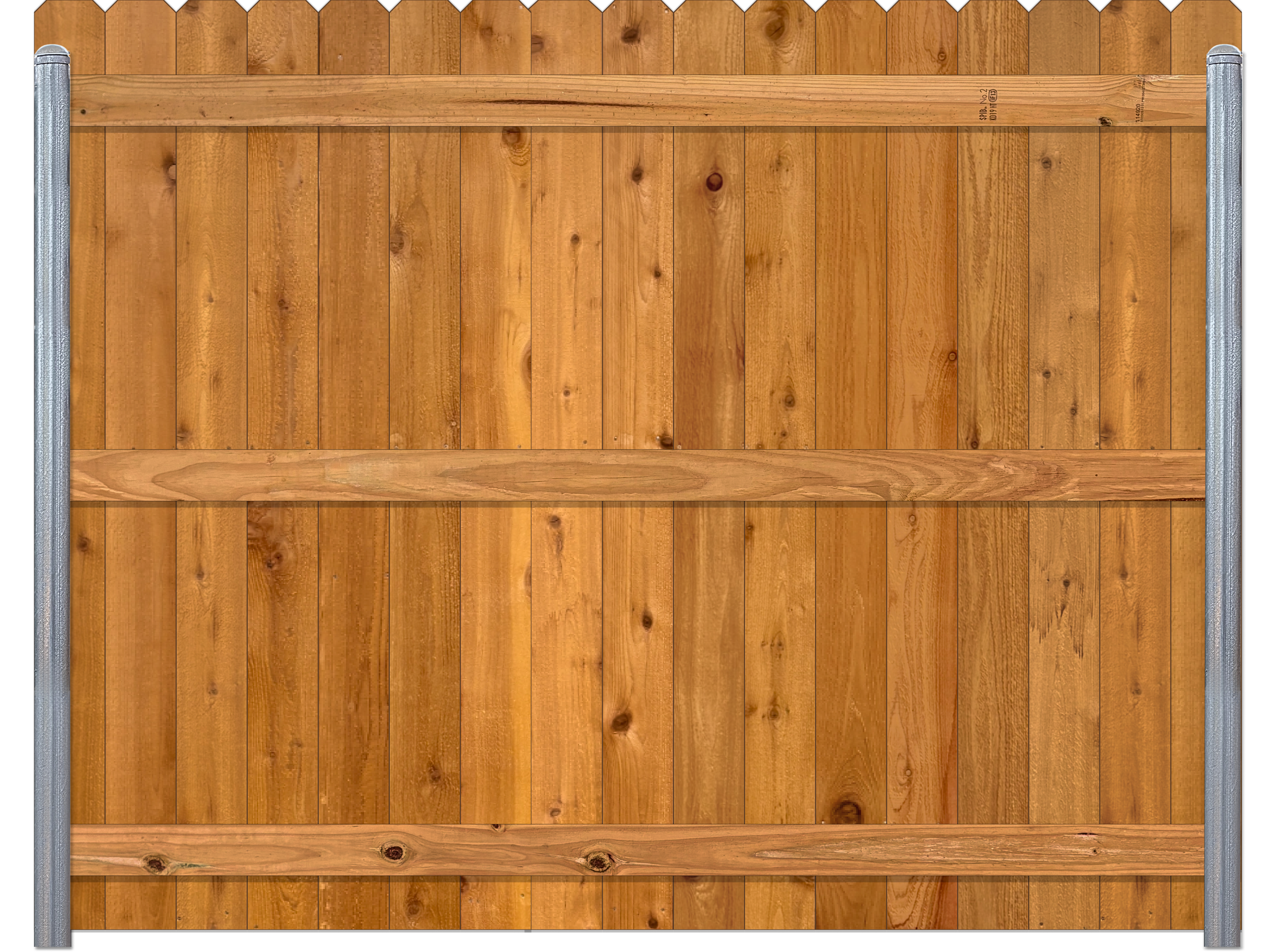
sable brown stain
Wood Defender offers an oil-based semi-transparent sable brown stain. Our renderings show a basic vertical standard privacy fence stained in Sable Brown stain.
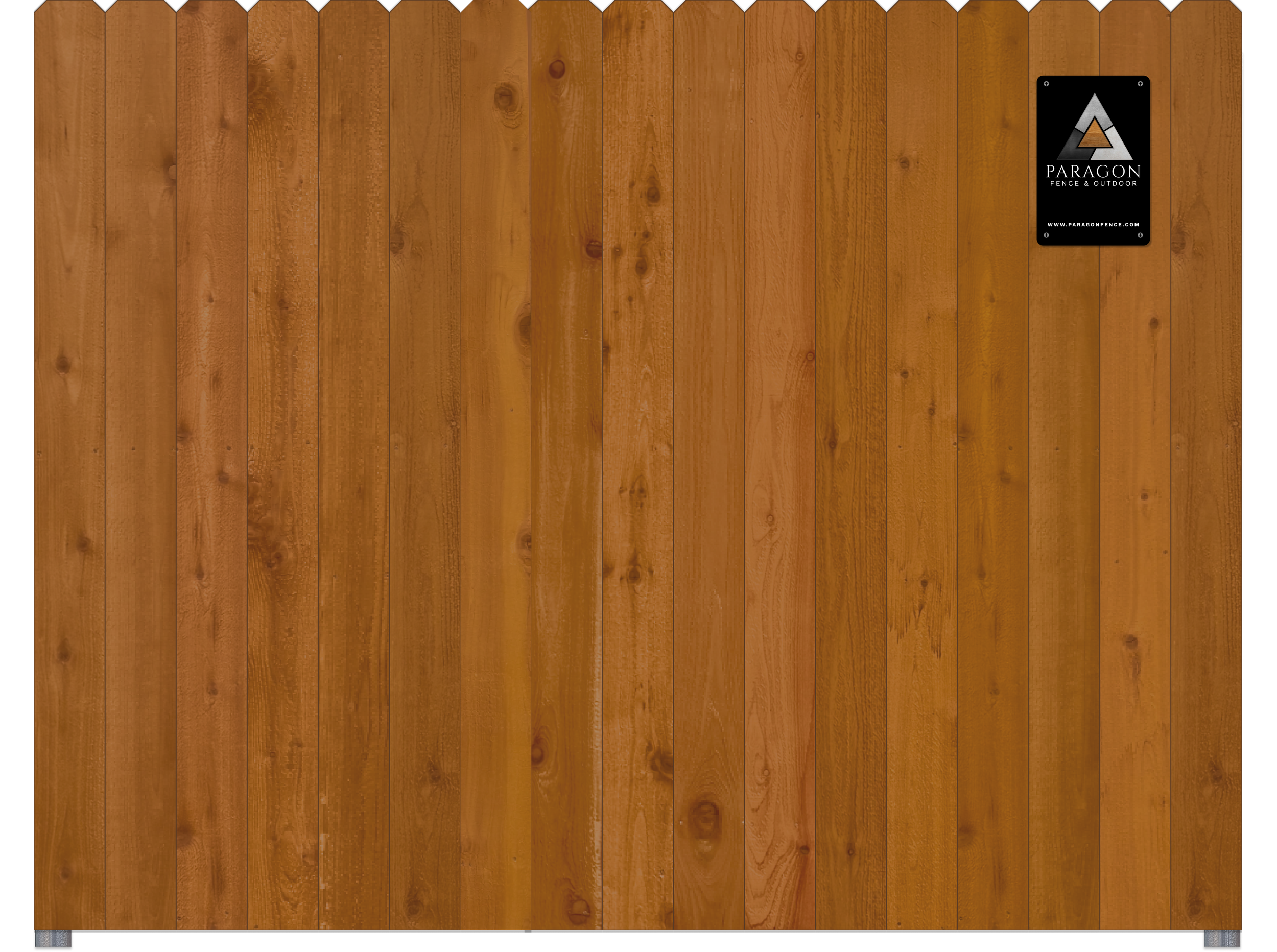
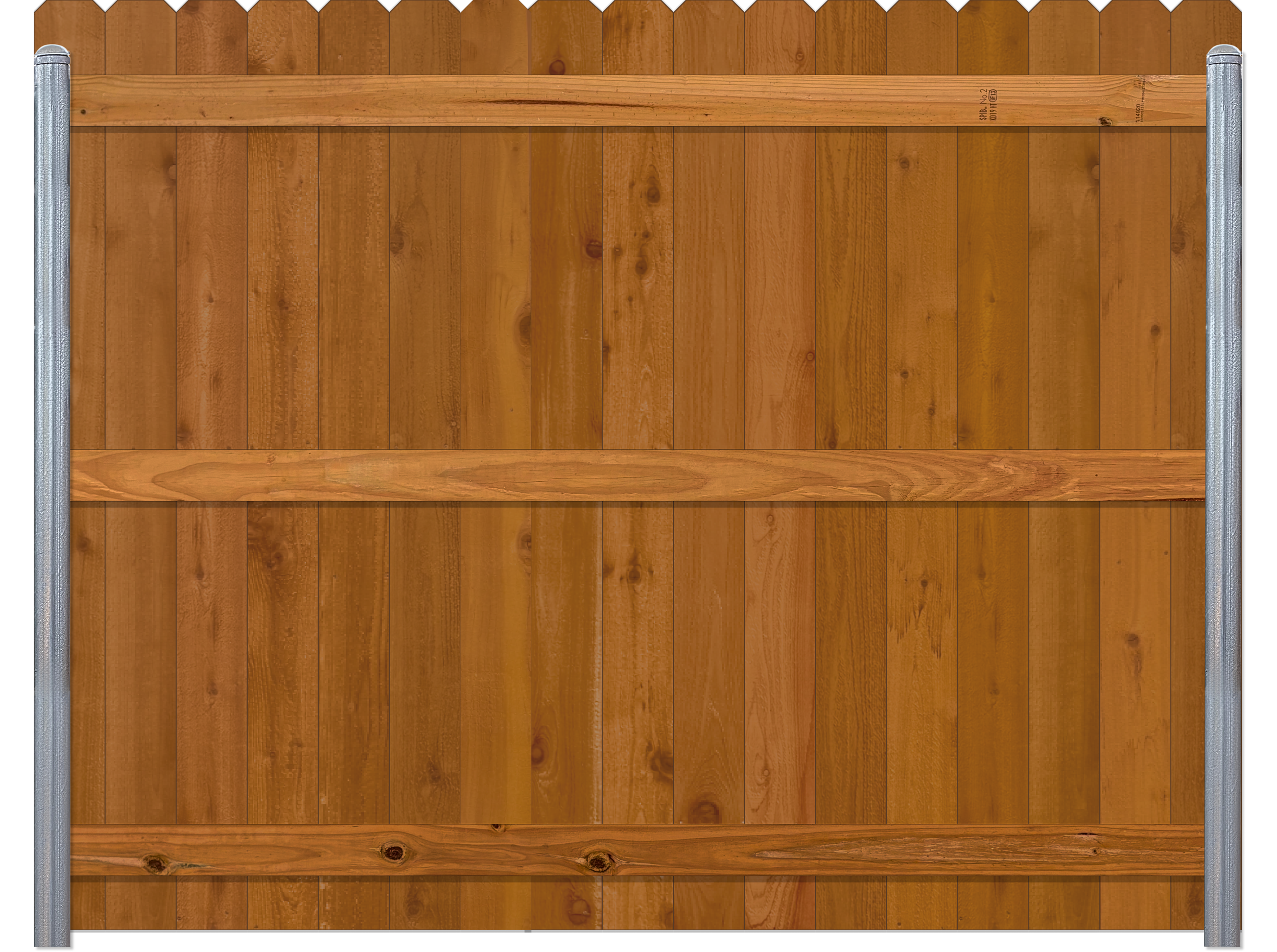
dark walnut stain
Ready Seal offers an oil-based transparent dark walnut colored stain that’s meant to mimic the natural tones of walnut wood. Our renderings show a basic vertical standard privacy fence stained in Dark Walnut stain.
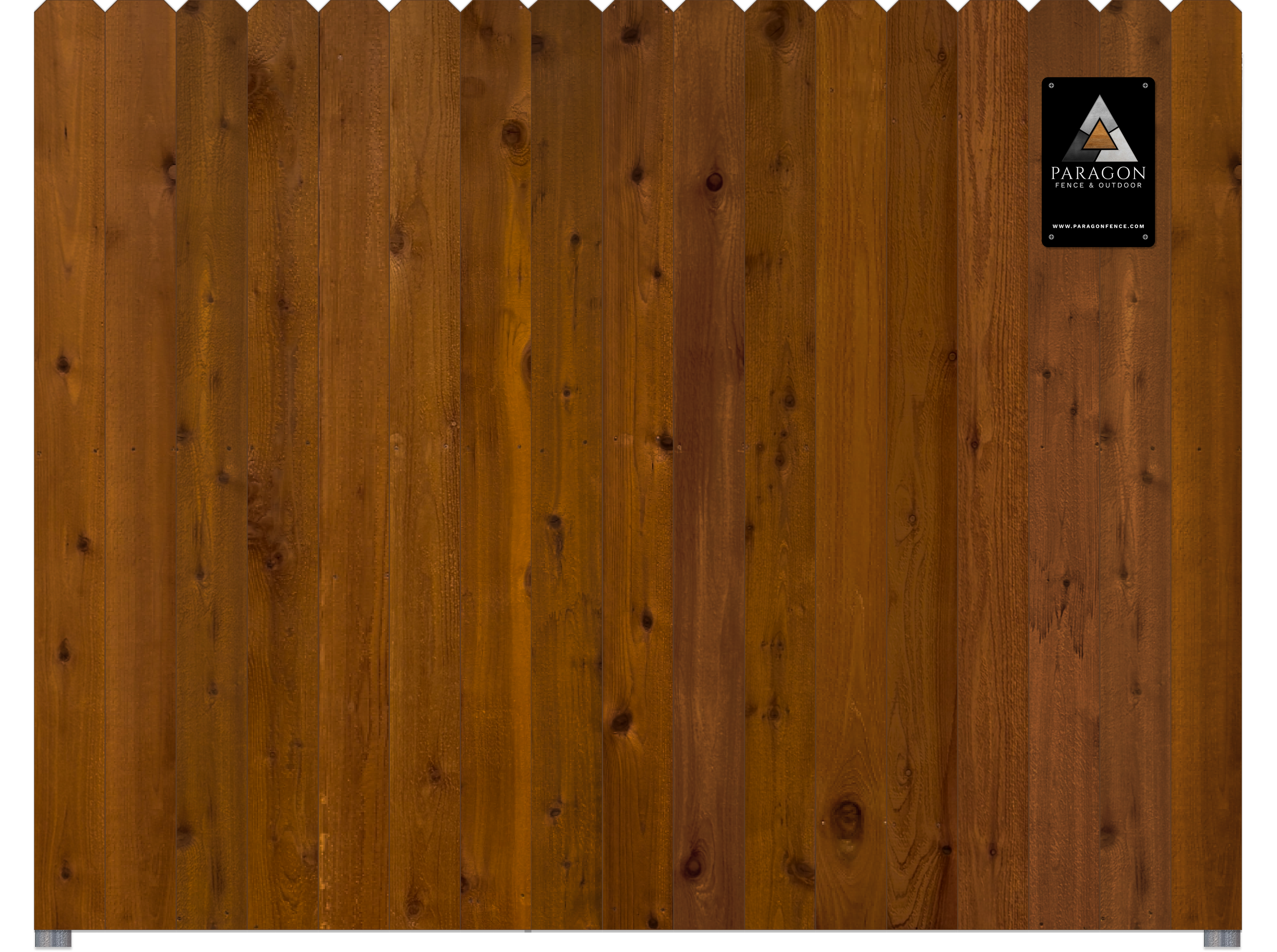
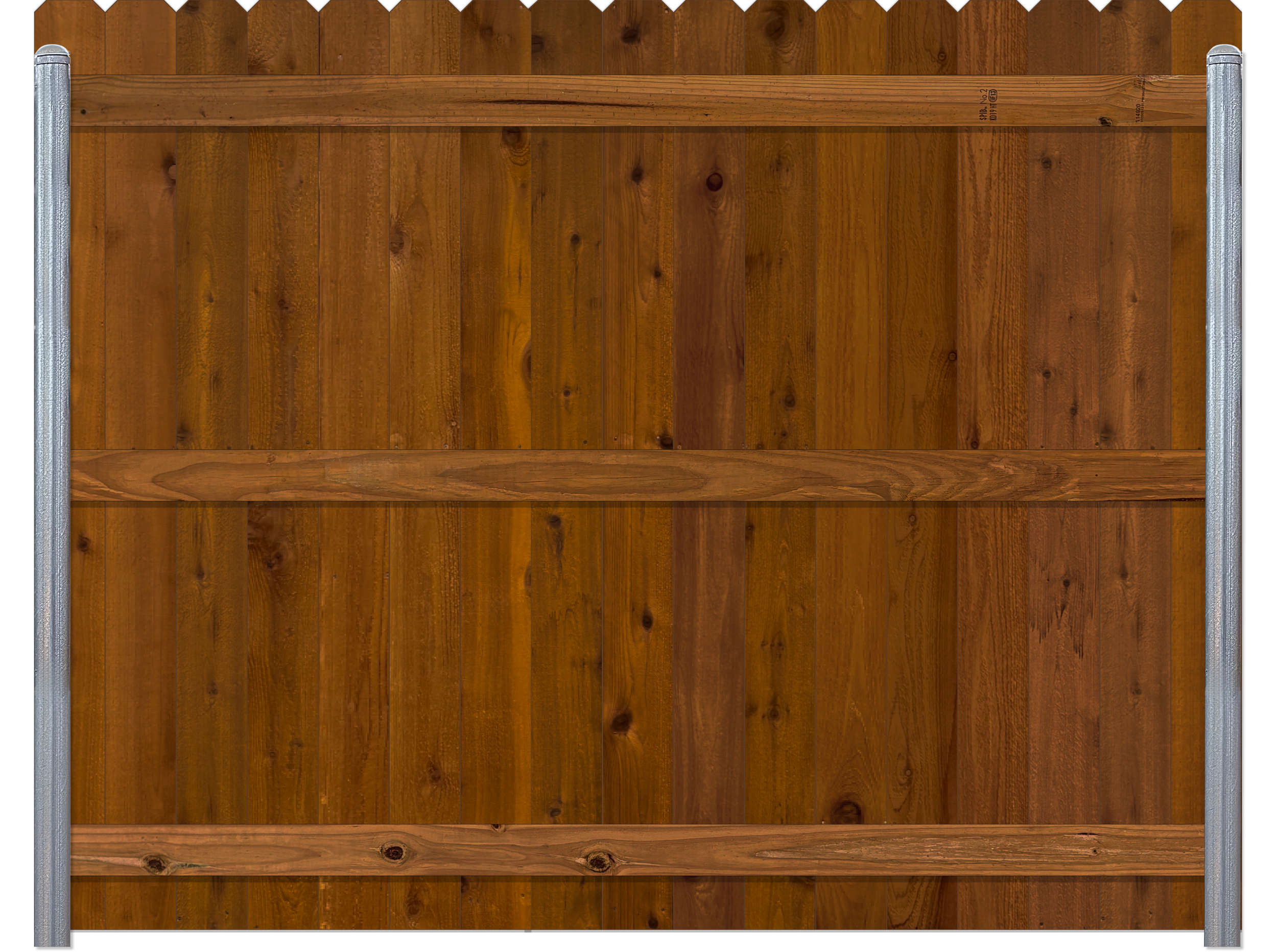
pecan stain
Ready Seal offers an oil-based transparent pecan colored stain that’s meant to mimic the natural tones of pecan wood. Our renderings show a basic vertical standard privacy fence stained in Pecan stain.
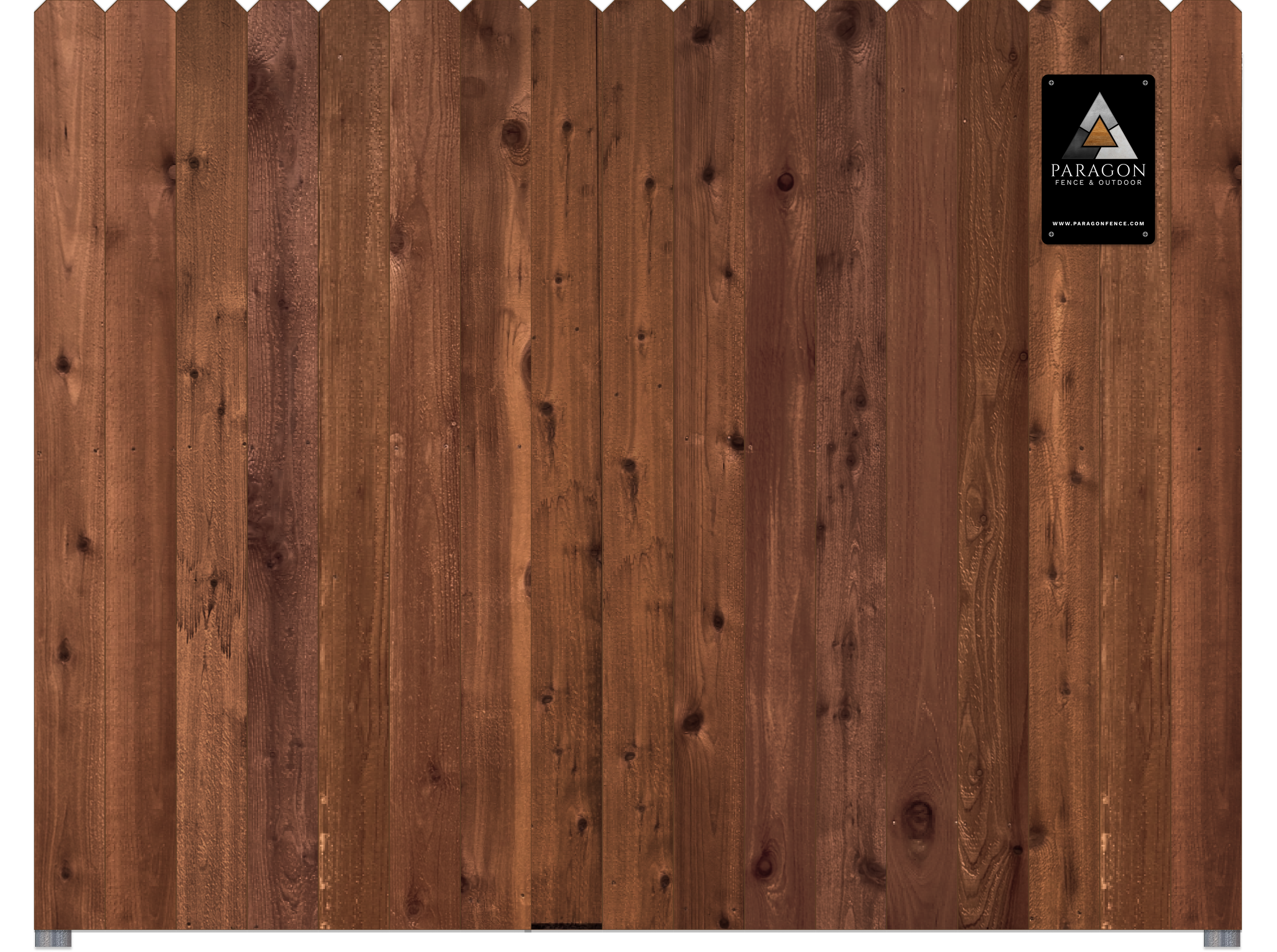
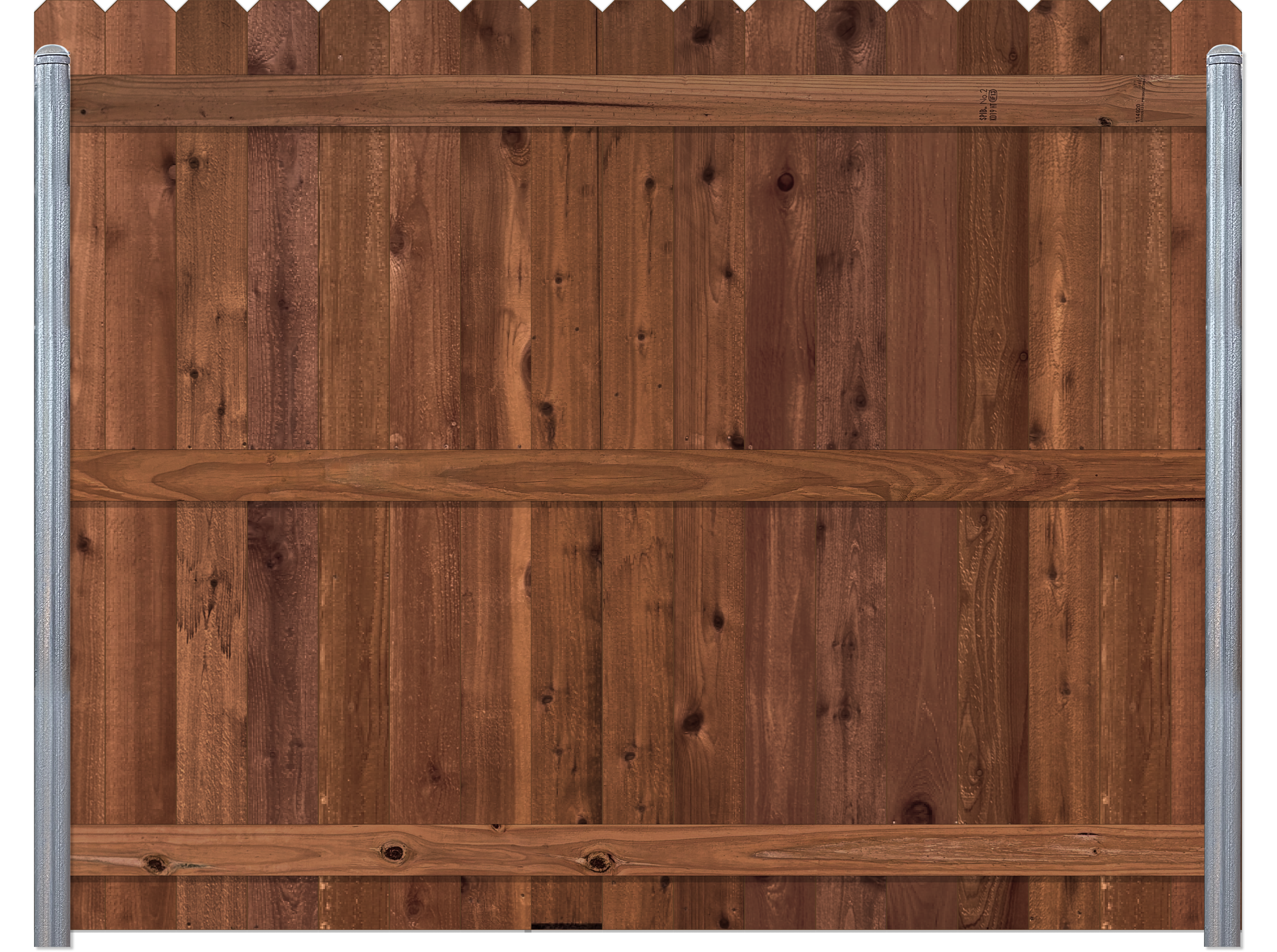
coffee brown stain
Wood Defender offers an oil-based semi-transparent Coffee Brown stain. Our renderings show a basic vertical standard privacy fence stained in Coffee Brown stain.
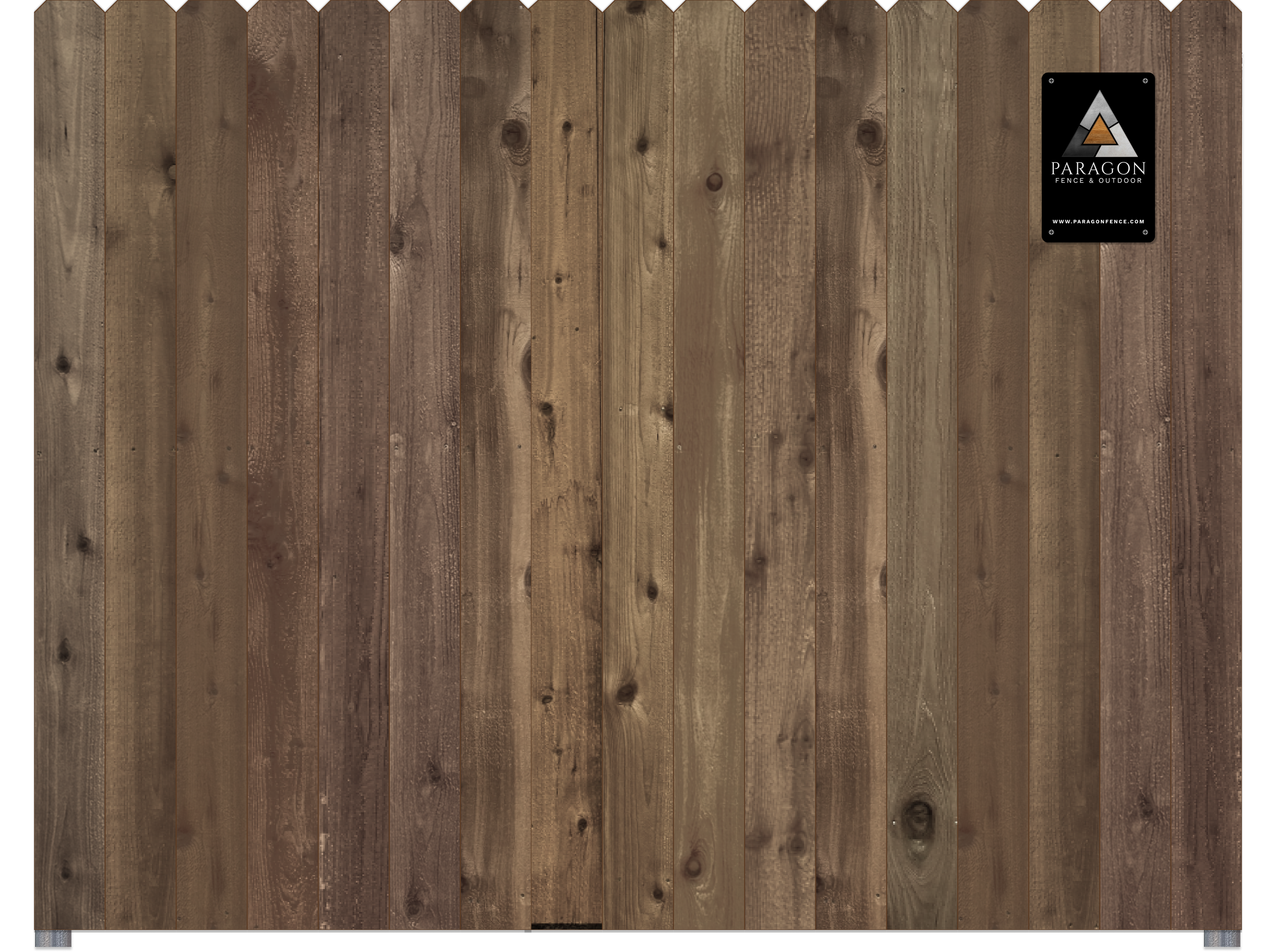
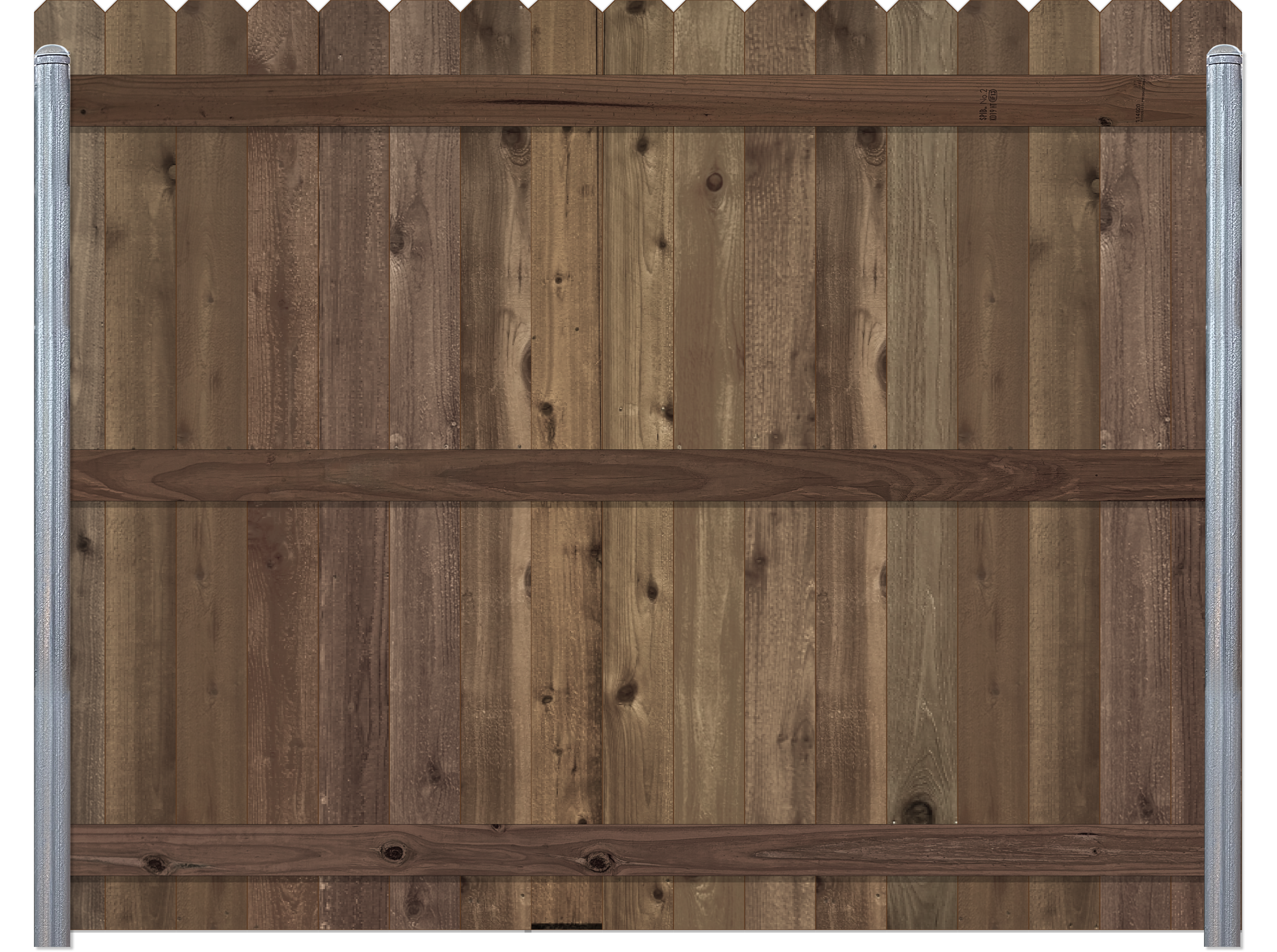
burnt hickory stain
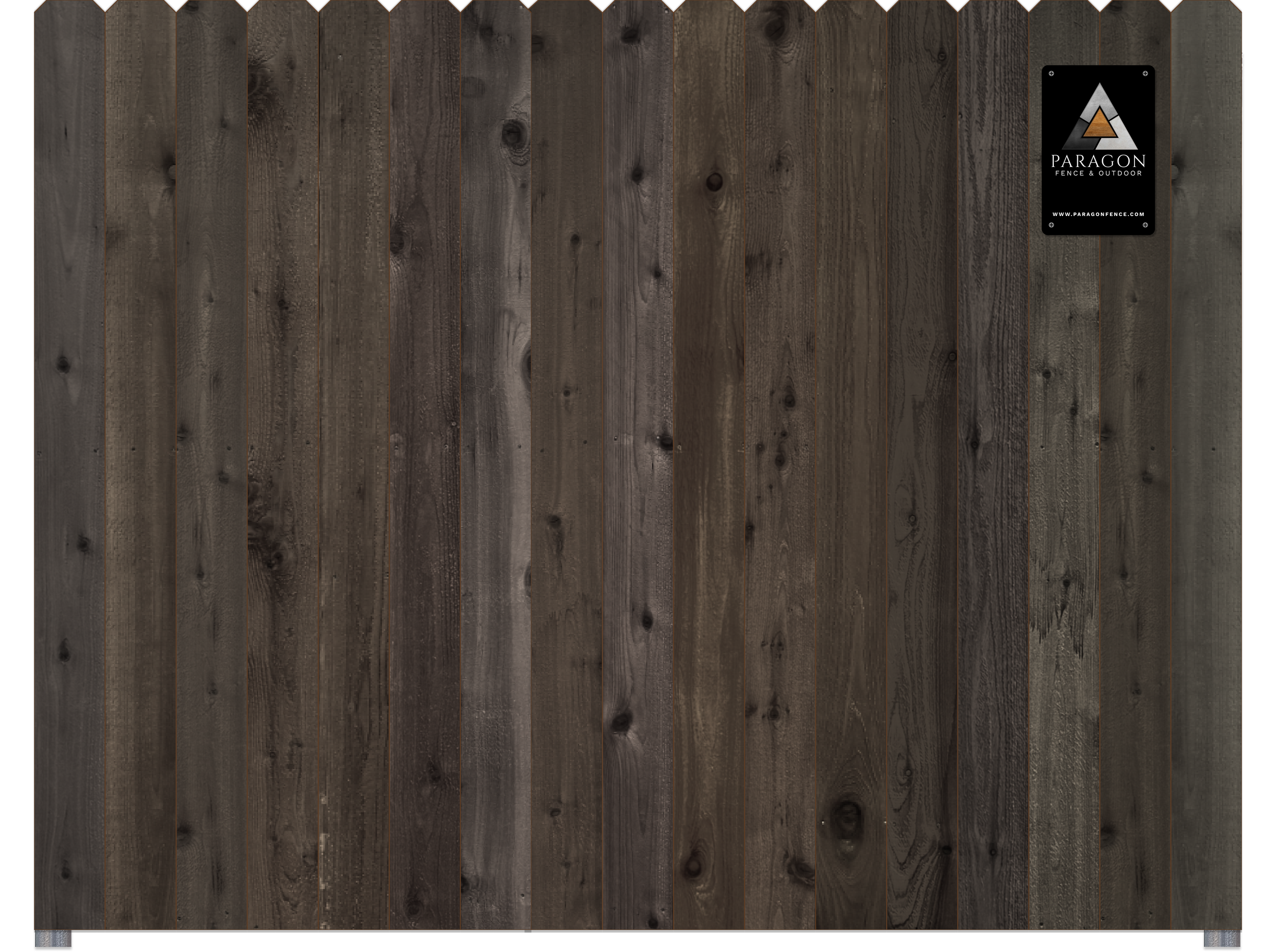
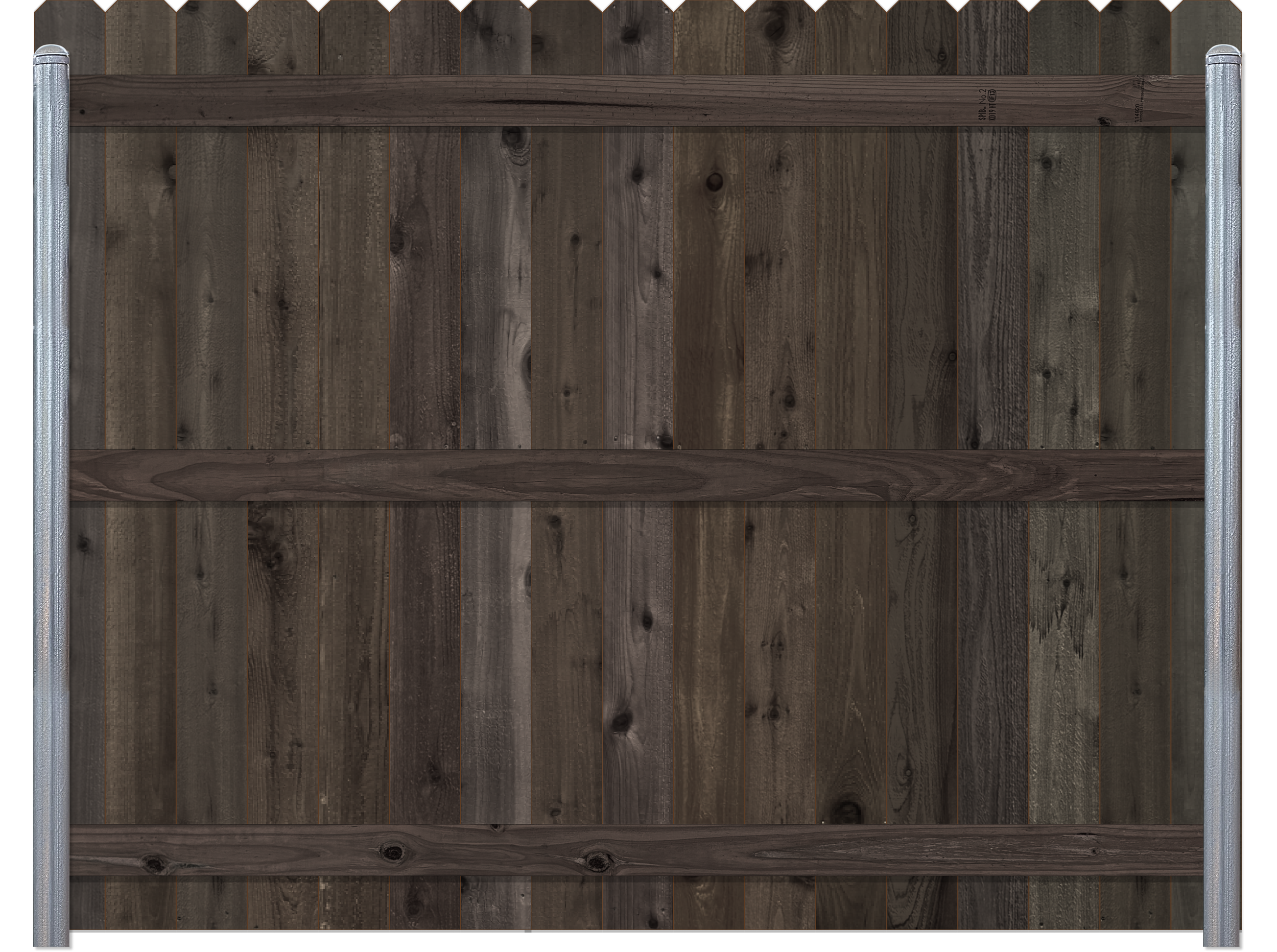
Ready Seal offers an oil-based transparent burnt hickory stain that mimics the natural tones of charred hickory. Our renderings show a basic vertical standard privacy fence stained in Burnt Hickory stain.
-
Yes, depending on the kind of stain of course. Stain can help protect your fence from sun, rain, and rot by sealing the wood’s surface and blocking UV damage. It can slow down warping, cracking, and fading—keeping your fence looking better, longer.
-
Typically it’s best to wait about 4–8 weeks after installation before staining. This gives the wood time to dry out and release any moisture from the milling process, which helps the stain absorb evenly and last longer.
-
In Texas, oil-based is the way to go. Oil-based stain penetrates deeper into the wood, offering rich color and long-lasting protection, especially against the elements. Water-based stain sits closer to the surface, dries faster, has less odor, and is easier to clean up. Both protect well, but the best choice really comes down to what kind of wood we’re staining and the climate we’re working with.
-
This can vary a lot based on the stain (semi-transparent, transparent, water-based, oil-based, etc.) In Austin’s heat and UV levels, most fences with an oil-based stain need to be re-stained every 2–3 years.
If the color’s faded or water no longer beads on the surface, it’s time for a fresh coat.
don’t see what you love?
There are so many different stain options, and stain colors usually cost about the same amount per square foot. Request a stain quote, and we’ll help you nail down the right color for your outdoor space.